
 +91 93211 30712
 prophysio777@gmail.com
 Sai Dham Blg, Mulund (W), Mumbai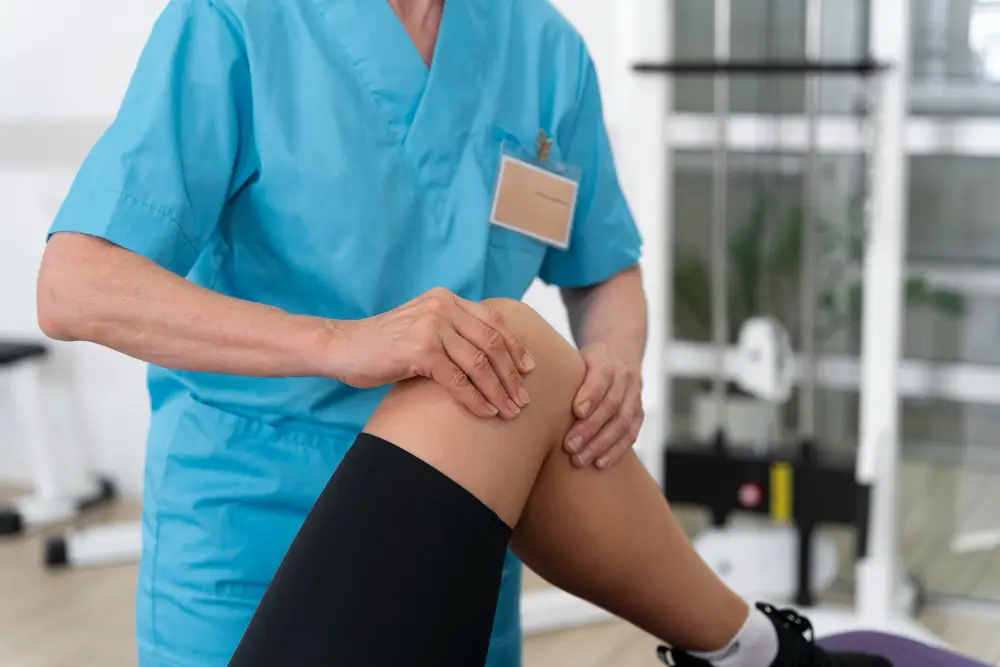
Are you tired of wincing every time you climb stairs? Does your knee ache after a long day at work or during your morning jog? You're not alone. Knee pain affects millions of people and can turn simple daily activities into painful challenges.
The good news is that most knee pain can be effectively treated without surgery. At Pro-Physio in Mulund West, Dr. Aniket Anant Kadam has helped countless patients overcome knee pain and return to their active lifestyles.
In this guide, you'll discover what causes knee pain, how to recognize warning signs, and most importantly, how physiotherapy can help you find lasting relief. Whether you're dealing with a sports injury, work-related strain, or agerelated wear and tear, understanding your options is the first step toward recovery.
What Is Knee Pain?
Knee pain is any discomfort, aching, or soreness you feel in or around your knee joint. Think of your knee as a complex hinge that connects your thigh bone to your shin bone, with cartilage acting as a cushion and ligaments providing stability.
Knee pain is incredibly common – studies show that about 25% of adults experience frequent knee pain. It can range from a dull ache that bothers you occasionally to sharp, intense pain that stops you in your tracks. The pain might be constant or come and go, and it can affect people of all ages, from weekend warriors to desk workers.
What makes knee pain particularly frustrating is how much we rely on our knees for everyday activities. Walking, sitting, standing, and climbing stairs all depend on healthy knee function.
What Causes Knee Pain?
Understanding what's behind your knee pain is crucial for effective treatment. Here are the most common causes:
- Overuse and Repetitive Strain:
Spending long hours sitting at a desk, then suddenly becoming active on weekends can strain your knee. Running on hard surfaces or doing too much too soon can also overload the joint.
- Injuries:
Sports injuries, falls, or sudden twisting motions can damage ligaments, cartilage, or muscles around the knee. Even minor injuries can cause lingering pain if not properly treated.
- Age-Related Wear and Tear:
As we age, the cartilage in our knees naturally wears down. This is normal, but it can sometimes cause stiffness and discomfort.
- Poor Movement Patterns:
Weak hip muscles, tight leg muscles, or improper walking patterns can put extra stress on your knees over time.
- Weight and Lifestyle Factors:
Carrying extra weight puts additional pressure on your knees. A sedentary lifestyle can also weaken the muscles that support your knee joint.
- Previous Injuries:
Old injuries that weren't fully rehabilitated can lead to ongoing problems and increase your risk of future knee issues.
Symptoms to Watch For
Recognizing the signs of knee problems early can prevent minor issues from becoming major ones. Here's what to look out for:
- Pain during movement – especially when walking up or down stairs, getting up from chairs, or after sitting for long periods.
- Stiffness and reduced flexibility – difficulty bending or straightening your knee fully.
- Swelling around the knee joint – your knee may look puffy or feel tight.
- Grinding or clicking sounds – noises when you move your knee, especially if accompanied by pain.
- Instability or "giving way" – feeling like your knee might buckle or not support your weight.
- Pain that worsens with activity – discomfort that increases during exercise or daily activities.
- Night pain – knee pain that disturbs your sleep or is worse when lying down.
When to see a physiotherapist?
If you experience any of these symptoms for more than a few days, or if the pain interferes with your daily activities, it's time to seek professional help. Don't wait for the pain to become unbearable – early intervention leads to better outcomes.
How Physiotherapy Helps
Physiotherapy for knee pain is like having a personalized roadmap to recovery. At Pro-Physio, Dr. Aniket Anant Kadam uses a comprehensive approach that addresses not just your symptoms, but the root cause of your knee pain.
Step 1: Detailed Assessment Your journey begins with a thorough evaluation. Dr. Aniket Kadam will assess your knee's range of motion, strength, and stability. He'll also look at how you walk and move to identify any patterns that might be contributing to your pain.
Step 2: Pain Relief and Inflammation Control Initial treatment focuses on reducing pain and swelling. This might include:
- Manual therapy techniques to improve joint mobility
- Ice or heat therapy to manage inflammation
- Gentle exercises to maintain movement without aggravating symptoms
Step 3: Restore Movement and Flexibility As pain decreases, treatment focuses on restoring normal knee function through:
- Targeted stretching exercises to improve flexibility
- Joint mobilization techniques to restore proper movement
- Soft tissue massage to release muscle tension
Step 4: Strengthen Supporting Muscles Strong muscles around your knee provide crucial support. Your treatment will include:
- Quadriceps strengthening exercises (the muscles on the front of your thigh)
- Hamstring and calf muscle strengthening
- Hip muscle exercises to improve overall leg stability
Step 4: Functional Training The final phase prepares you to return to your normal activities:
- Balance and coordination exercises
- Sport or activity-specific training if needed
- Movement pattern correction
Benefits you can expect:
Pro Tips to Manage Knee Pain at Home
While professional treatment is important, there are several things you can do at home to support your recovery:
- Apply ice for acute pain:
Use an ice pack for 15-20 minutes several times a day during the first 48 hours after injury or when experiencing swelling.
- Stay gently active:
Complete rest isn't usually helpful. Gentle walking or swimming can maintain mobility without overloading your knee.
- Practice good posture:
When sitting, avoid keeping your knee bent in the same position for too long. Take regular breaks to stand and stretch.
- Wear supportive footwear:
Good shoes with proper arch support can reduce stress on your knees, especially if you're on your feet a lot.
- Maintain a healthy weight:
Even a small reduction in weight can significantly decrease the load on your knees.
Important safety note: Always consult with Dr. Aniket Kadam before starting any exercise program. What works for one person might not be appropriate for another, and incorrect exercises can sometimes make knee pain worse.
Take the First Step Toward Pain-Free Living
Don't let knee pain control your life any longer. At Pro-Physio, Dr. Aniket Anant Kadam combines years of expertise with personalized care to help you overcome knee pain and return to the activities you love.
Located conveniently in Sai Dham, Mulund West, Pro-Physio serves patients from Mulund, Thane, and Nahur. Dr. Aniket Kadam's patient-centered approach means you'll receive treatment tailored specifically to your needs and goals.
Ready to start your journey to pain-free living?
Don't wait for your knee pain to get worse. Book your appointment today and take the first step toward a more active, pain-free future. Your knees and your quality of life will thank you.
 For any additional enquiries : prophysio777@gmail.com